Research and Evidence Generation
Generate, review and translate evidence to build a stronger understanding of preventive health, support better decision-making, and identify opportunities for earlier action.
As India confronts a growing burden of chronic disease, a new question comes into focus: how many years of life can be lived in good health? The widening gap between lifespan and healthspan calls for a shift beyond treating illness towards preserving health across the life course.
We seek to bring together science, policy and public action to explore what it could take for Indians to live not only longer, but healthier. By strengthening evidence, advancing prevention and enabling early action, we hope to help shape a future where more years of life are lived in good health.
The potential for adding more healthy years.
The gap between life expectancy and healthy life expectancy in India.
India's health challenge is not just how long we live, but how well we live.
India's life expectancy is approximately 10 years higher than healthy life expectancy, with a significant share of years lived affected by morbidity. With nearly 63% of deaths attributed to noncommunicable diseases, there is an opportunity to rethink prevention at scale and place greater emphasis on identifying risk early, preserving health, and reducing the burden of disease.
The window for prevention is widest before risk takes hold.
Health risks accumulate over time, making the timing of preventive action critical. As risks become established, the scope for prevention may narrow, and interventions can become more complex, resource-intensive, and costly. With non-communicable diseases accounting for an increasing share of India's disease burden, there is an opportunity to strengthen evidence and enable earlier, sustained preventive action across the life course, before risks become entrenched.
The Project is envisioned as a platform to generate and translate India-specific evidence, connect researchers, policymakers, and institutions, and advance conversations around prevention across the life course. Through these efforts, it seeks to strengthen prevention and enable earlier action towards healthier lives across India.
We believe four preventive pathways can anchor the transformation towards preventive healthcare.
Transforming healthcare towards prevention in India
Detecting modifiable risk before it accumulates into disease.
Shifting everyday behaviour towards healthier choices at population scale.
Acting while intervention remains low-cost and effective.
Preventing disease by addressing environmental conditions that contribute to health risks.
TIHP seeks to establish healthspan as a foundational objective of India's public health system, shifting greater focus towards prevention and the preservation of health across the life course. It seeks to strengthen India's capacity to generate evidence, translate it into practice and support earlier action on modifiable risks. With particular attention to youth, TIHP considers opportunities to shape healthier trajectories not only for the current generation, but for generations to come.
If
India-specific evidence on preventive health can be strengthened, translated into policy and practice, and complemented by efforts to support preventive behaviours where health trajectories may be more modifiable;
Then
this could create greater scope for earlier adoption and more consistent implementation of preventive interventions, with potential implications for the long-term burden of chronic disease and years lived in good health;
Because
an important challenge lies in translating evidence on prevention into timely and sustained action, before modifiable risks become more difficult to address.
01 / 05
Research, policy advice and public communication should be grounded in rigorous evidence, generated or validated in the Indian context wherever possible.
Prevention must be prioritised across the life course, with particular attention to children and adolescents, when health behaviours and trajectories are more amenable to change.
Prevention should consider not only what interventions are delivered, but when they are delivered, with action on risk beginning before disease becomes established.
Research, policy and public communication should function as an integrated pathway, with evidence informing policy and implementation, and communication supporting public understanding.
Evidence should be communicated accurately and transparently, with findings, uncertainties and limitations clearly presented.
Generate, review and translate evidence to build a stronger understanding of preventive health, support better decision-making, and identify opportunities for earlier action.
Work with governments, public institutions and other relevant bodies to translate evidence into policy and practice, support policy development and implementation, and strengthen the capacity to advance preventive health.
Develop communication campaigns, education initiatives, and behaviour-change interventions that build health literacy and sustained adoption of preventive practice.
Embed preventive health across the institutions and environments that shape everyday life, with particular attention to children, adolescents and young adults, where health behaviours and trajectories may be more amenable to change.
Build collaboration across academia, civil society, philanthropy, healthcare and the private sector to strengthen the preventive health ecosystem, foster knowledge-sharing and partnerships, and advance the broader conversation around healthspan and prevention.
TIHP seeks to engage where health behaviours are shaped.
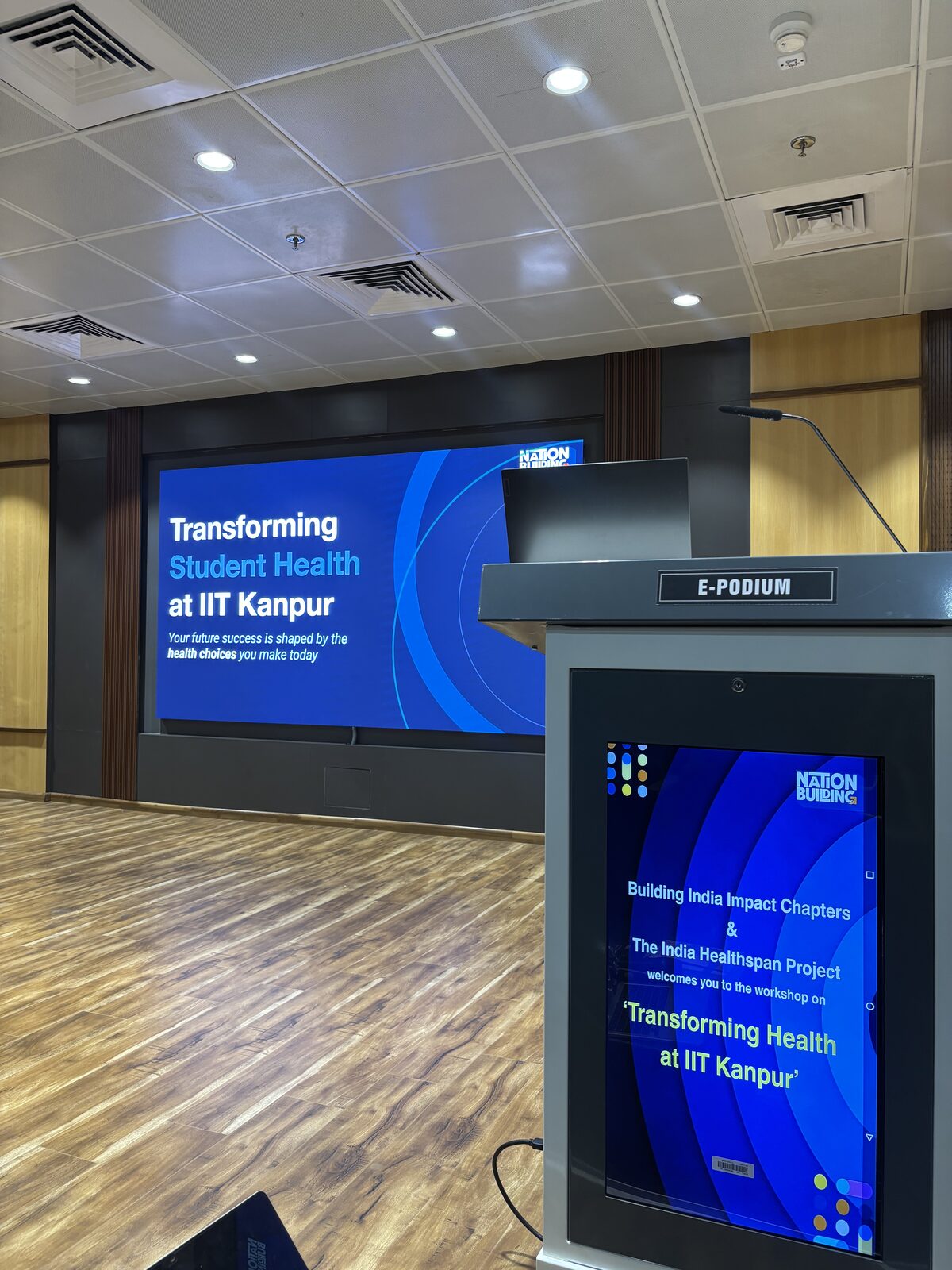
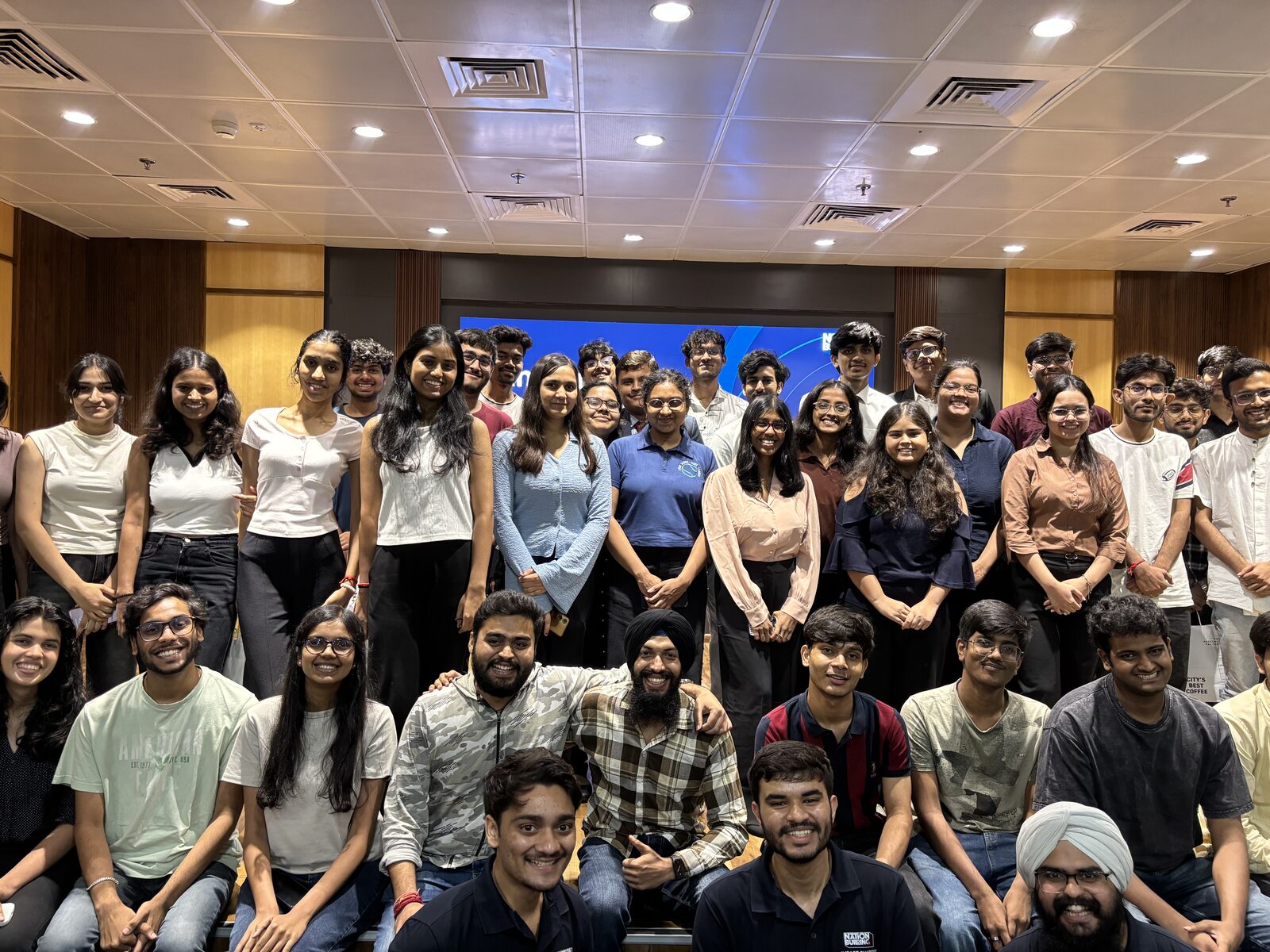
Schools, colleges and universities offer important settings to strengthen health literacy and support preventive practices. TIHP seeks to work with these institutions to explore how prevention can become part of everyday environments, particularly before health risks become more established.
Building the evidence base for preventive health.
TIHP will share research, reports and opinion briefs on policies as they are developed and published.
Coming soon
Coming soon
Coming soon
For government partners, philanthropic funders, and researchers working on India's preventive health ecosystem.